Atp Energy Is Expended in Which of the Following Processes
Electron transport chain Breaks the fall of electrons to oxygen in several energy-releasing steps. Most ATP however is generated during a separate process called oxidative phosphorylation which occurs during cellular respiration.
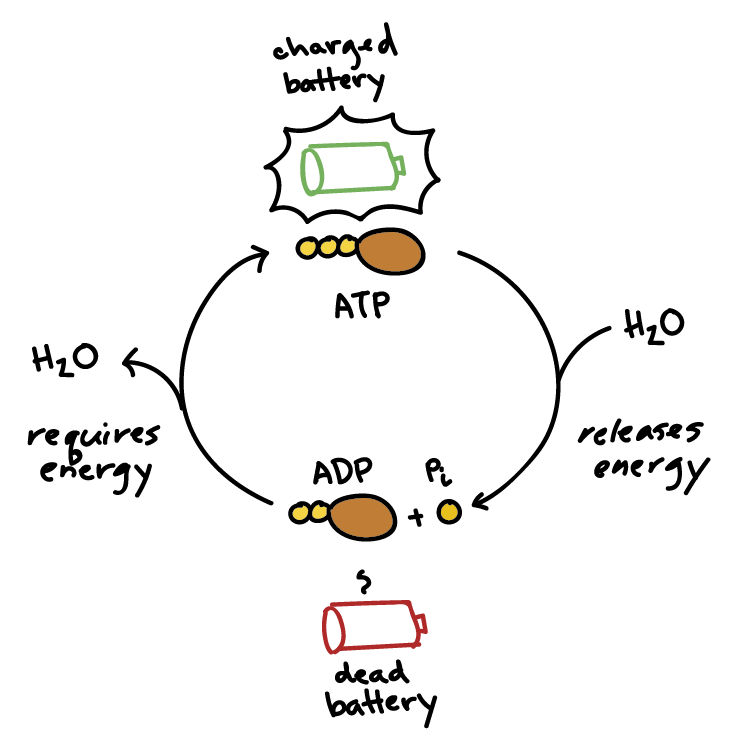
Atp Cycle And Reaction Coupling Energy Article Khan Academy
Cellular respiration metabolism comes in three steps.
. The energy released by hydrolysis breakdown of ATP is used to power many energy-requiring cellular reactions. A facilitated diffusion B diffusion C group translocation D active transport E both active transport and group translocation. ATP is expended in which of the following processes.
Glycolysis the Krebs Cycle the electron transport chain During glycolysis ATP is first used to invest energy in glucose as to allow for its subsequent breakdown into pyruvateThe thesis presented in most textbooks of biology cell biology and to a lesser extent biochemistry regarding the metabolic role of ATP. At the complete end of cellular respiration how many molecules of ATP are produced. Result in the conversion of kinetic energy to potential.
The number of carrier proteins present in the membrane. How does ATP release energy thats stored within the molecule. Complete the formula for glucose catabolism cell reparation.
What is the energy gain or cost in ATP equivalents of the following processes. See the answer 3. In the process of simple diffusion the rate at which a molecule passes through a membrane depends on all of the following except.
Active transport E. A This process joins 2 pyruvic acid molecules into a molecule of glucose. 3 glucose -- 6 pyruvate.
As the actin is pulled toward the M line the sarcomere shortens and the muscle contracts. This chemical substance is made up of adenosine and 3 phosphate molecules. We produce energy by converting the food we eat into ATP.
ATP is often called the energy currency of the body because in a sense we pay for all of our biological actions with ATP. We here report that ATP levels the energy currency of brain cells show a surge in the initial hours of spontaneous sleep in wake-active but not in sleep-active brain regions of rat. We have just discussed two pathways in glucose catabolismglycolysis and the Krebs cyclethat generate ATP by substrate-level phosphorylation.
Flagellin basal body hook filament characteristic of a eukaryotic cell has a nuclear envelope more complex. This energy is expended as the myosin head moves through the power stroke. ATP is found in cells of all living things and is responsible for almost all cellular processes.
It can be thought of as the main energy currency of cells much as money is the main economic currency of human societies. To release energy one of these phosphates breaks off which then makes ATP become ADP adenosine diphosphate. This causes a chemical reaction that provides a burst of energy.
C This process splits glucose in half and produces 2 ATPs for each glucose. ATP is expended in which of the following processes A facilitated diffusion B. ATP is expended in which of the following processes.
Adenosine triphosphate or ATP is a small relatively simple molecule. These processes all require energy. View the step-by-step solution to.
Resting Metabolic Rate This is the energy needed to support cardiac function and respiration and also to repair the internal organs maintain the temperature of the body and balance water and ion concentration across. How is energy expended in active transport. Group translocation D.
C6H12O6 ___ -- 6H2O 6CO2 _____ heat 6O2. Food is eaten and eventually converted into ATP carbon dioxide and water. A facilitateddiffusion B diffusion C grouptranslocation D activetransport E bothactivetransportandgroup.
The energy expenditure is a result of the cumulation of four main processes in the body which are RMR TEF physical activity and physical growth. The breakdown of glucose by enzymes releasing energy and pyruvic acid. 3 glucose -- 6 pyruvateb.
What is the energy gain or cost in ATP equivalents of the following processes. At the end of the power stroke the myosin head is in a low-energy position. The respiration of an 18-carbon fatty acid produces 216 ATP.
The thickness of the membrane. The surface area of the membrane. 38 ATP The final electron acceptor of the electron transport chain is __________.
ATP is the energy currency of a cell produced by the destruction of ADP expended in the process of photosynthesis produced during the phosphorylation of any organic compound Anything that prevents ATP formation will most likely result in cell death. Cellular respiration is a set of metabolic reactions and processes that take place in the cells of organisms to convert biochemical energy from nutrients into adenosine triphosphate ATP and then release waste products. The surge is dependent on sleep but not time of day since preventing sleep by gentle handling of rats for 3 or 6 h also prevents the surge in ATP.
Both active transport and group translocation component of bacterial flagella. The size of the molecule. At the complete end of cellular respiration 38 molecules of ATP are produced.
D This process converts pyruvic acid to acetyl CoA. The energy stored in 36 ATP molecules produced by aerobic respiration is 39 of the energy available in a six-carbon glucose and the other 61 of the glucose bond energy is lost. ATP structure and hydrolysis.
3 Glucose-6-phosphate -- 6 pyruvate This problem has been solved. ATP release energy thats stored within the molecule by Altering number of phosphate groups tied to the carbon backbone. Normaals iStock Getty Images Plus The first step of cellular respiration is glycolysisGlycolysis occurs in the cytoplasm and involves the splitting of.
When the myosin head is cocked it contains energy and is in a high-energy configuration. This process uses energy captured from electrons flowing to oxygen to produce most of the ATPs in cellular respiration. Force the cell to rely on lipids for energy.
Energy expended in active transport through ATP. B This process uses energy captured from electrons flowing to oxygen to produce most of the ATPs in cellular respiration. ATP release energy thats stored within the molecule by Altering number of phosphate groups tied to the carbon backbone.
Question 15 ATPisexpendedinwhichofthefollowing processes.

Pin On Ecobiohub
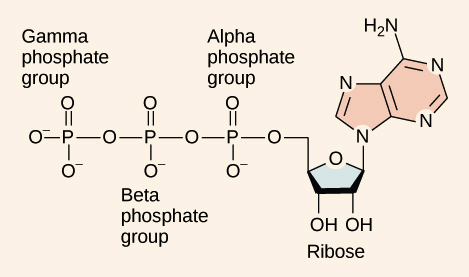
Atp Cycle And Reaction Coupling Energy Article Khan Academy
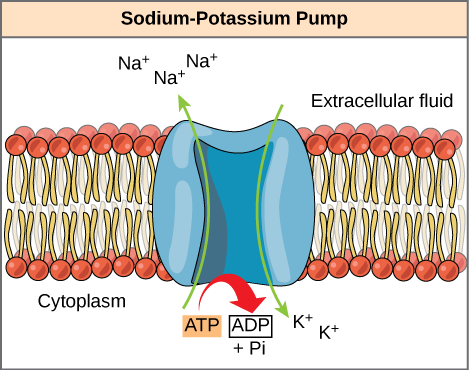
Atp Adenosine Triphosphate Biology 2e

Atp And Biological Energy

Atp And Biological Energy

Section Four Fuel Oxidation And Atp Generation Ch 16 Ch 17 Ch 18 Ch 19 Ch 20 Flashcards Quizlet
2 29 Electron Transport Biology Libretexts

Where Does The Enteric Nervous System Fit In The Ans Google Search Enteric Nervous System Neurological Disorders Peripheral Nervous System
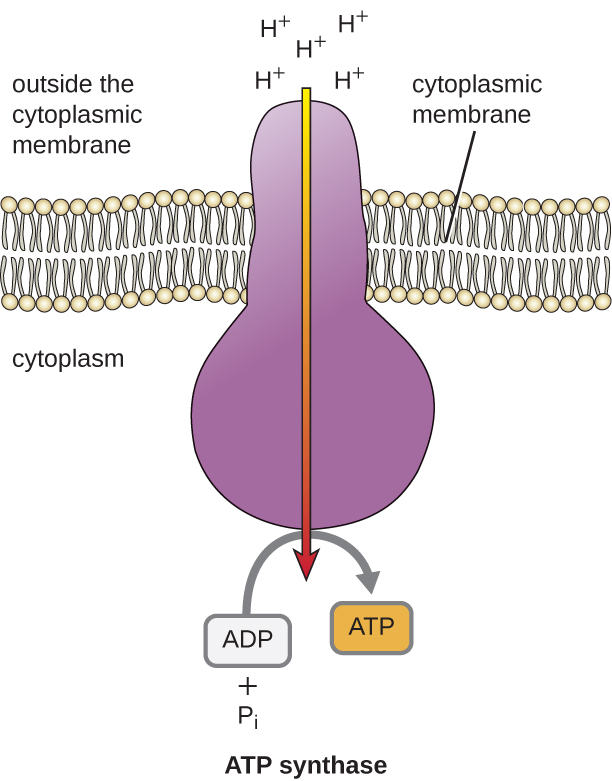
8 3 Cellular Respiration Geosciences Libretexts
How Is Atp Used In Photosynthesis Quora
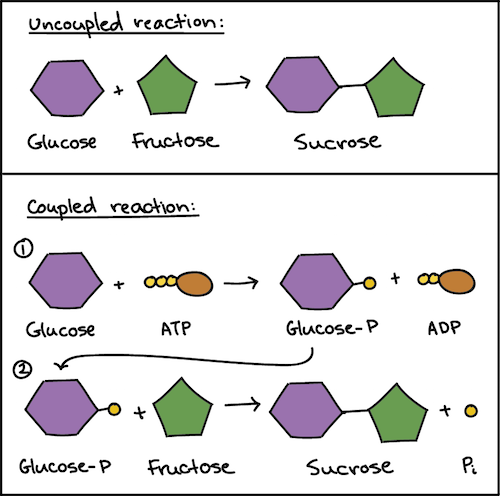
Atp Cycle And Reaction Coupling Energy Article Khan Academy
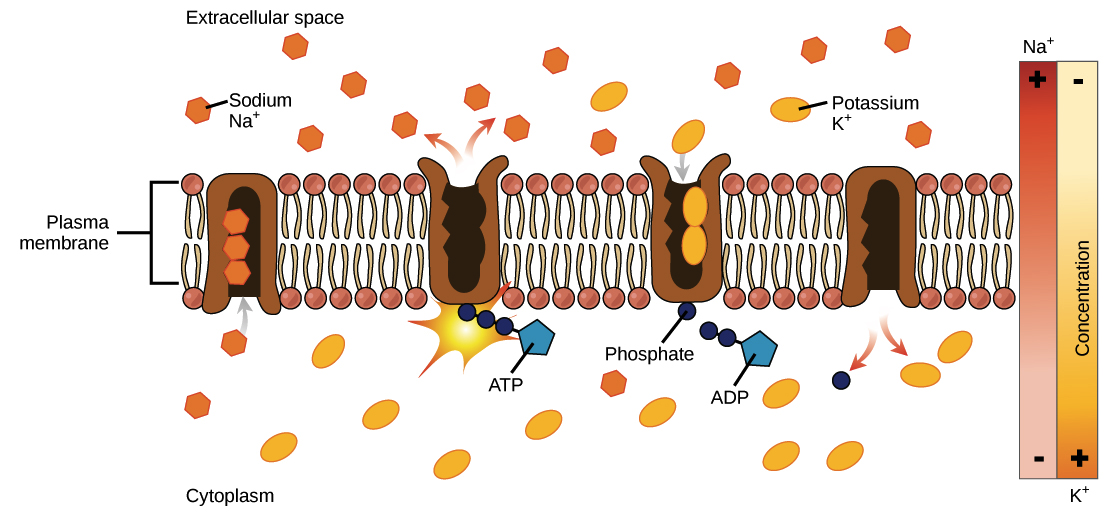
Active Transport Review Article Khan Academy

Atp Transport Challenges The Evolutionary Origin Of Mitochondria Reasons To Believe
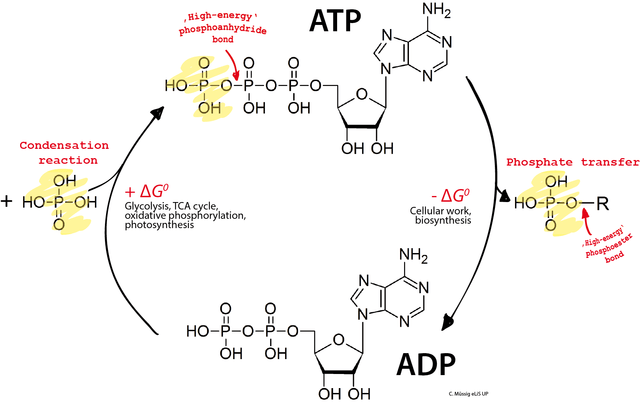
Energy And Enzymes Biological Principles
How Do We Get 4 Atp Molecules In Glycolysis Quora

Atp And Biological Energy

Atp And Biological Energy

Atp And Biological Energy

Exam 2 Study Guide Flashcards Quizlet


Comments
Post a Comment